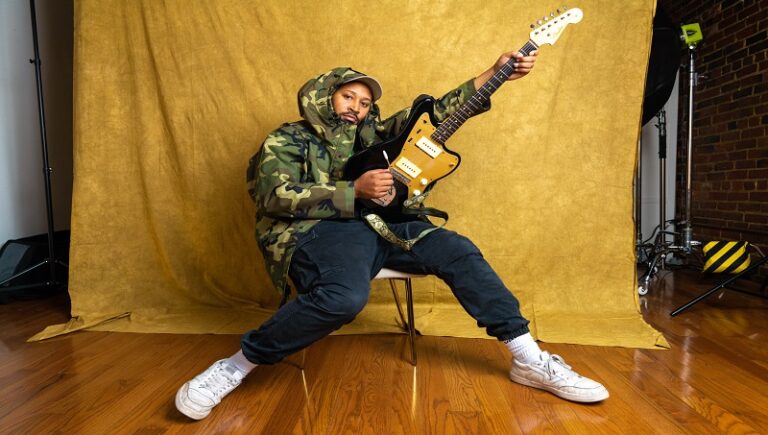

Taste in music may be subjective, but listening to it objectively is important to insure artists of all types and genres have room to grow and express themselves. Often music enthusiasts say things like “that’s not music” or “now this is music”, and this is based purely on the opinion of the listener but whether or not music is ‘art’ shouldn’t be up for debate. Take indie artist Rav as a great example. He’s not a high commercially selling artist, but that shouldn’t mean that his music is not ‘real music’. He recently released an album last year that was purely instrumental, but in 2020 he came out with a more typical track list in that of I’m on to Me.
Rav’s I’m on to Me is anything but the norm however
His version of rap is far different than anything on the mainstream market, much less ANY music in the mainstream. The seven tracks all differentiate from each other in sound, though the content is fairly consistent throughout. His strength is in how he can tell the same message in numerous ways over the course of multiple songs. I’m on to Me is packed with a collection of singles that culminate Rav’s feelings of inadequacy, depression, and self-worth. He’s alone on the album apart from two others. Kill Bill: The Rapper is a frequent collaborator of his, and he’s featured in three of the seven tracks with Scuare featuring on the final track. Technically these three find themselves in the ‘rap’ genre, but the way they are doing it is nothing short of inventive.
The album begins with Dandelions, a slow track with backing instrumentals that is similar to that of elevator music. The lyrics of Rav and Kill Bill’s verses are poetic, slightly perplexing, yet still overall fashionably written. His second track Me?Never is a stark contrast of the first song, Rav whether or intentional or not sounding like Eminem in tone as well as pace and cadence. Molasses sounds as though the back-track instrumentals could feature on almost any art house indie film. Rav’s word play on Molasses is central to the theme of the entire album, indicative of his self-defeating state of mind that is as relatable to anyone who’s even ever had a bad day but of course more correlating to those who battle depression regularly. Prosthetic Self-Love is carries an interesting impression, produced as though it sounds like a video game while Rav raps over the top of it with clever communication. Dead End is just as compelling in sound, having a jazz like instrumental backing. To My Future Self is the final track. It’s imaginary, slow and might require a few listens to truly capture the essence of its meaning though the title is essentially the song’s giveaway.
Rav’s mission seems only to put his soul out in the open for others to see it. He’s not telling anyone what they want to hear, pandering, nor does he sound to be out for sympathy. Art is the truest form of expression, Rav doing just that: Expressing himself.